
Dogs (Protection of Livestock) (Amendment) Act 2025
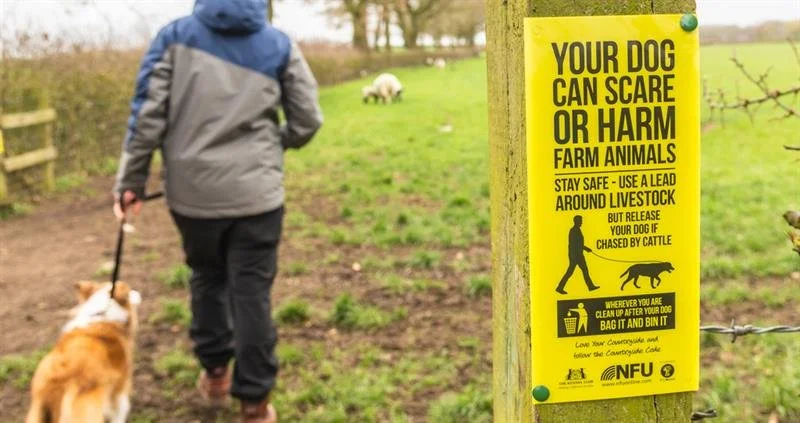
Please keep your dog on a lead around livestock and farm animals
Dog owners are being reminded to keep their pets on a short lead near farm animals as new legislation protecting livestock comes into effect.
From today (Wednesday 18 March 2026) the Dogs (Protection of Livestock) (Amendment) Act 2025 gives police stronger powers to deal with livestock worrying - which is where dogs chase, attack, or distress farm animals.
These changes are aimed at better protecting livestock and supporting our farming communities, who can face significant financial and emotional strain when incidents happen.
Livestock worrying isn’t always intentional, and it doesn’t always involve an aggressive dog. But even a friendly dog running loose among sheep or cattle can cause panic, injury, or in some cases, the loss of unborn animals.
What’s Changed?
The Dogs (Protection of Livestock) (Amendment) Act 2025:
Recognises incidents on roads and paths - not just those which happen in fields and enclosures.
Allows courts to require offenders to pay costs associated with the seizure and detention of a dog involved in a livestock worrying or attack incident.
Adds camelids (such as llamas and alpacas) to the list of animals protected under the legislation, recognising their growing presence in farming.
Increases the maximum penalty facing those whose dogs attack or chase livestock from £1,000 to an unlimited fine
New Police Powers
The law also gives officers investigating livestock worrying incidents new powers, including:
Seizing and detaining dogs suspected of chasing, attacking, or worrying livestock — even when no owner is present at the time.
Entering premises under warrant to recover items or evidence linked to an investigation.
Taking forensic samples from dogs, such as DNA or dental impressions, to help identify whether a dog was involved.
For more information about the law changes visit the Government's website here.