
What do I need to own a Highland Cow?
With Highland Cows increasing in popularity, here are the common questions we are usually asked about owning the breed and the answers we provide. They are a significant addition to any farm or family and require significant space, proper fencing, shelter, specialised vet care, and legal registration, demanding commitment beyond typical pets.
How much do Highland Cows cost?
A Highland cow typically costs £1,500 to £3,000 for a good quality animal, but prices vary greatly from several hundred pounds for a calf or cross-breed to several thousand for show-quality or breeding stock with proven genetics, with some champion lines fetching much more.
Factors like age, pedigree, color, gender (heifer, bull, steer), and whether they're halter trained significantly influence the final price.
Current typical UK Highland Cows prices:
Calves/Young Stock: £800 - £2,000, depending on genetics.
Average Quality: £1,500 - £3,000 for a solid animal.
Show/Breeding Quality: Can exceed £5,000 to £6,000+ for top bloodlines or champion animals
Record UK Highland Cow Price 35,000gns (£36,750) as of February 2025
Record UK Highland Bull Price: 34,000gns (£35,700) as of February 2026
.
Can I have just one Highland Cow on its own?
While you can technically keep a single Highland cow, it is highly discouraged as they are herd animals that require companionship to thrive. A solitary Highland cow is prone to stress, loneliness, and becoming skittish or destructive, such as pushing through fences. We strongly recommend having at least a pair to prevent loneliness.
How much land do Highland Cows require?
Highland cows typically require a bare minimum of 1 acre per cow. We highly recommend at least 2 acres of good grazing land per cow, and as we mentioned previously, you’ll want to own a minimum of two animals.
So that’s at least 4 acres of land for just a pair of Highland cattle. This will allow rotational grazing to prevent over-grazing and keep the soil healthy.
Highland cattle are hardy and can utilise rough terrain, but they require enough room to roam and graze comfortably without turning their pasture into a mud pit!
How long do Highland Cows live?
Highland cows typically live for 15 to 22 years, longer than many other cattle breeds, with some individuals reaching 20 years or more, often continuing to breed and calve well past 18 years old due to their hardy nature and resilience. They are remarkable for their longevity, and many folds average 12 calves from each cow, with some Highland cows even capable of bearing over fifteen calves!
Typically, Highland cows reach full maturity at around three to four years of age. However, it's not just about age. Their growth also depends on factors such as genetics, environment, and nutrition. At MaHuRuCo Highlands, we emphasise the importance of a balanced diet and proper care to ensure our cows grow healthy and strong.
Essential Requirements for Highland Cattle Ownership
Defra cattle keepers in England must register with the Rural Payments Agency (RPA) to obtain a County Parish Holding (CPH) number, which is required even for pets.
You’ll need a herd number from the British Cattle Movement Service (BCMS) to report births, deaths, and movements via the CTS online system to manage passports.
Register with the Animal and Plant Health Agency (APHA) for a herd mark.
Handling Facilities: A proper, wide cattle crush is necessary for safely managing their horns during veterinary checks or treatments.
Land and Fencing:You need to assess the suitability of your land and know the acreage and quality of the grazing. Good, strong fencing is necessary, as they are strong and curious, sometimes requiring a 4th low rail to prevent escaping.
Care and Feeding: They require water, access to hay/silage in winter, and regular deworming, vaccinations, and hoof trimming.
Shelter and Environment: A dry, 3-sided shed or barn is needed for protection from the elements, especially in hot climates, as their thick coats make them prone to overheating.
Recommendations
Join a local breeders club to chat with fellow highland cow owners and learn their management systems.
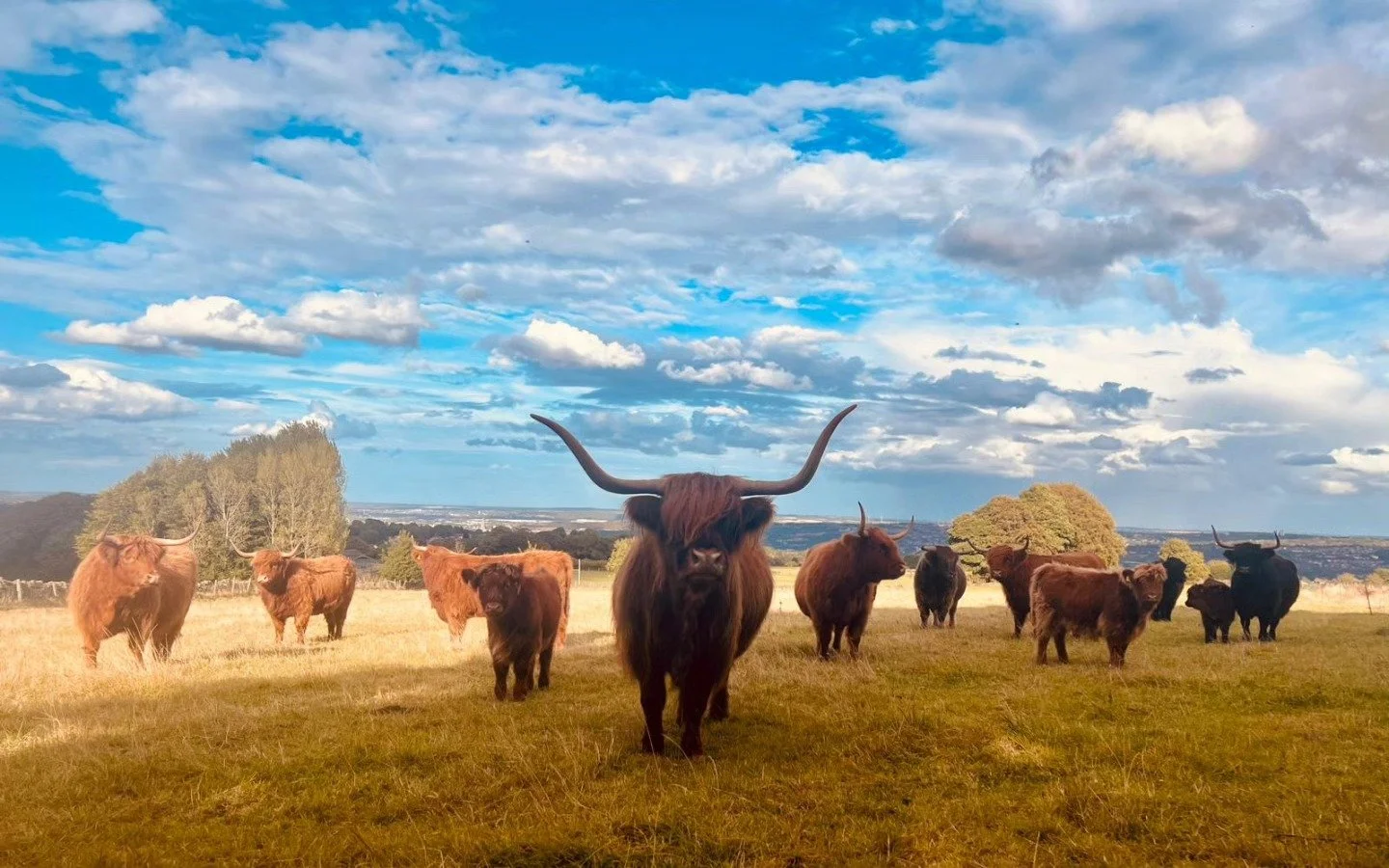
What it takes to look after the MaHuRuCo Fold of Highland Cows
If you haven’t got the means to own Highland Cows, then why not get the next best thing and sponsor one of the MaHuRuCo Highlands with our Adopt a Highland Cow packages.